
Why Does Roof Debris Buildup Matter in Wayland, NY?
Leaves, twigs, pine needles, and other debris can collect quickly on rooftops in Wayland, NY thanks to the area’s leafy surroundings and changing seasons. In this region, clogged roofs are more than a nuisance—they can cause water damage, foster algae growth, and add unnecessary weight to your roof structure. Over time, this can lead to shingle deterioration or even leaks, especially during rainy, icy, or windy periods common in this climate.
Even modest accumulations, if unaddressed, can clog gutters and downspouts, causing water to back up and spill over near foundations. This is especially risky for the mixed roof styles found on many of the homes in the area.
How Do You Know When Your Roof Needs Debris Removal?
The most reliable sign is visible buildup of leaves or sticks along sections where roof slopes meet or valleys form. However, debris may also accumulate out of sight, such as behind chimneys or dormers. Here are practical cues:
- You notice loose debris from the ground, especially after windstorms or when trees shed heavily.
- Water overflows from gutters even after rain is past.
- Moss or dark streaks develop in shaded areas, suggesting lingering organic matter.
While routine checks are good, seasonal roof inspections—especially after autumn leaf drop and spring pollen—help local residents stay ahead of bigger problems.
What Tools and Equipment Are Needed?
Residents can often tackle routine cleaning themselves with basic equipment. For most homes in the area, safe roof debris removal starts with:
- A sturdy ladder appropriate for your roof height and slope.
- Work gloves to protect hands from sharp sticks and granules.
- A roof broom (soft-bristled) or a lightweight plastic leaf rake designed for rooftops.
- Safety harness and anchor if working on steep or elevated sections. These are strongly recommended for multi-story homes or steeper roof pitches.
- Hose with a sprayer, if rinsing is needed after clearing loose debris.
Avoid using pressure washers or metal rakes, as these can dislodge shingles or damage roof surfaces typical to Wayland homes.
Is It Safe to Walk on Your Roof?
For most single-story, low-sloped homes, it's possible for a resident to access parts of the roof with caution—but safety must always come first. Many roofs in the area can be slippery, especially under damp or icy fall and winter conditions. Walking on the roof is not advised when it's wet, icy, or mossy.
Use stable, dry, rubber-soled shoes, and never attempt to clean the roof when alone. For higher or especially steep roofs, debris removal from the ground with extension tools or from the ladder’s edge is the safer option.
If physical limitations or the roof’s structure pose a risk, it’s best not to attempt access—local conditions can escalate hazards quickly.
What’s the Right Way to Remove Debris Without Damaging Shingles?
The safest strategy is to work from the top down, gently pushing debris toward the eaves and into gutters for collection. Start at ridge lines or roof valleys where leaves gather most densely.
- Use a soft-bristle broom or roof rake, applying light, downward strokes. Never scrape upward against shingles.
- In tight corners, use gloved hands or a scoop made for rooftop use.
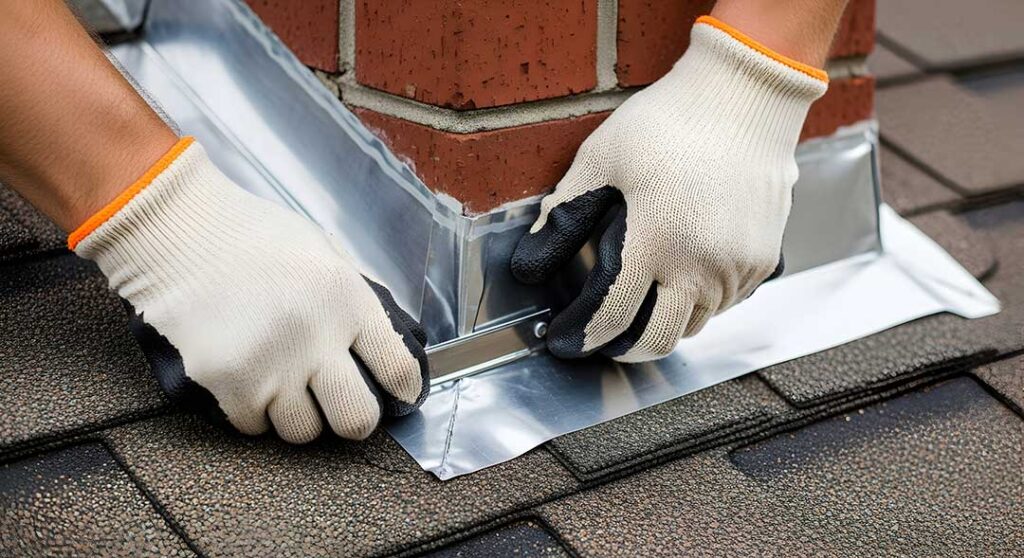
- Scooping debris by hand is often necessary around flashing, chimneys, and skylights where tools could loosen caulk or disrupt waterproofing features.
If remaining residue makes the area slippery, a light rinse with a hose (using gentle mist settings) may help—just be cautious about runoff and avoid forcing water under shingles.
How Often Should Roof Debris Be Cleared in Local Conditions?
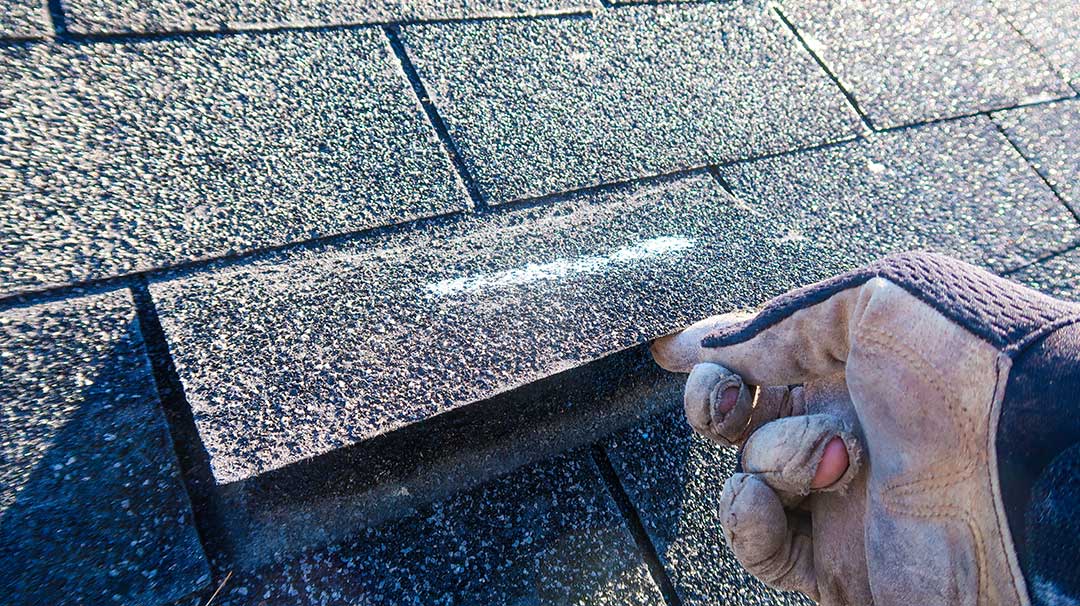
For Wayland, seasonal rhythms matter. Once in early summer and again after the last autumn leaves have fallen, a thorough check and cleanup are recommended. Some homes, especially those near mature trees or wooded lots, may require monthly checks during periods when leaves or pine needles drop.
After significant storms or wind events, a quick post-storm inspection for new debris is wise, especially to prevent long-term moisture retention.
Should Gutters Be Cleaned During Roof Debris Removal?
Yes—clearing gutters and downspouts is a key part of effective roof debris management in any community with abundant trees. Blocked gutters cause water to back up under shingles and spill over onto foundations. Always check and clear gutters before and after removing debris from the roof itself, so runoff can drain freely.
Be sure to inspect gutter guards or screens for clogs, as these can give a false sense of security if not maintained.
Are There Environmentally Friendly Options for Dealing with Roof Debris?
Most organic debris (leaves and twigs) collected from roofs and gutters can be disposed of with green waste, rather than sending it to landfill. Many households in the area compost leaves and small sticks. Avoid burning leaves, which may be restricted by local ordinances and create air quality issues.
If moss or algae are an ongoing problem, consider adding zinc or copper strips along roof ridges to inhibit future growth, but only after checking compatibility with your roof type.
What Are Common Mistakes Residents Should Avoid?
Some common pitfalls include:
- Using garden rakes, shovels, or power washers that strip protective layers from shingles or puncture roofing material.
- Pushing debris into gutters without checking for proper drainage.
- Climbing onto the roof in wet, icy, or windy weather.
- Ignoring safety equipment, especially on roofs with challenging slopes or heights.
Attempting to clean during periods of high pollen, sap, or after ice storms can also make the work more difficult and hazardous.
When Is Professional Help Truly Needed?
Most healthy adults can safely clear modest debris from single-story roofs with low pitch—provided the surface is dry and stable. However, very steep roofs, multi-story homes, or situations involving heavy moss, mold, or stubborn algae may require specialized equipment and safety protocols best handled by those with specific training.
Likewise, if you notice roof damage, missing shingles, or evidence of significant water intrusion while clearing debris, it’s prudent to consult a roofing professional to assess and repair more serious issues.
