
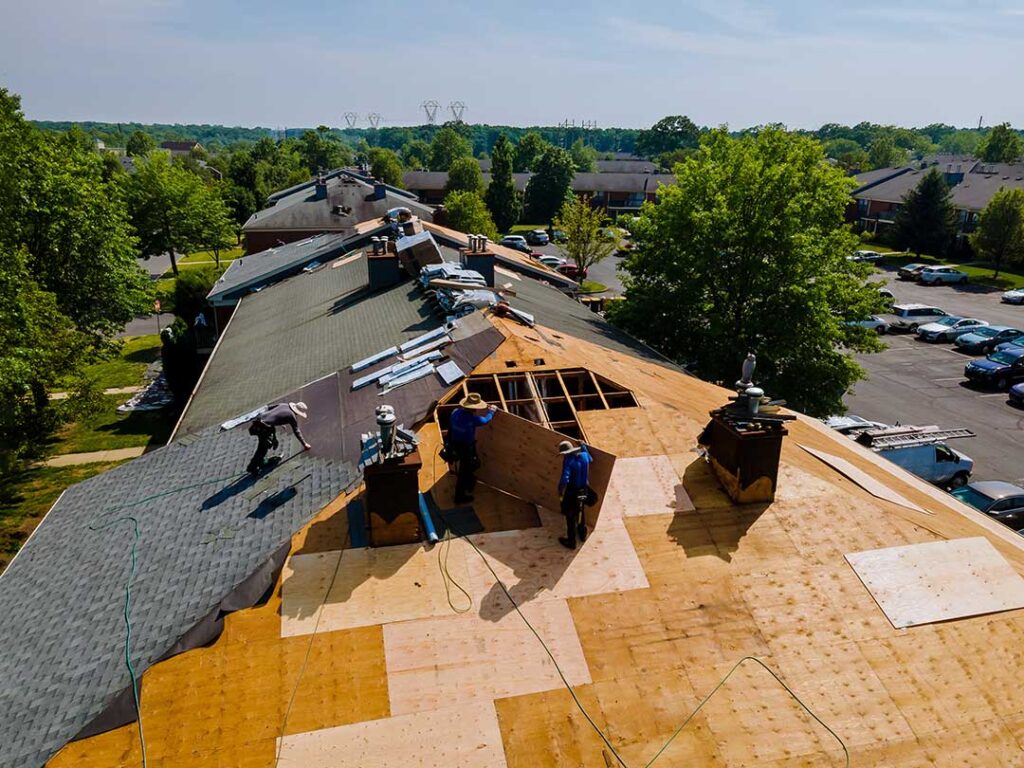
Why Does Choosing the Right Roofing Contractor Matter in Wayland, NY?
Selecting a roofing contractor is a key decision for area homeowners because the roof must stand up to unique local conditions—heavy winters, winds, and seasonal storms. Quality workmanship and trustworthy, insured professionals protect not just property but also family safety and everyday comfort.
For residents, an informed choice means peace of mind that the job will be done safely, legally, and with respect for local homes’ varied architectural styles and roofing traditions.
What Local Rules or Requirements Should Be Checked First?
Wayland has specific building codes and permitting processes for roofing projects, as roofs directly affect safety and structure. Residents should confirm that any contractor:
- Understands and commits to following local code requirements
- Is properly licensed and insured to work in the area, based on New York State rules and Steuben County standards
- Has experience with the types of roofs common to the city’s homes, including steep slopes and older structures
Checking with the local building department or town office can clarify if a permit is needed for a repair or replacement.
How Can Local Homeowners Confirm a Contractor’s Reputation?
Begin by researching feedback from past clients, focusing on sources known to the local community such as neighbor recommendations, public consumer resources, or city forums. Ask contractors for references from previous area projects.
Watch for these reputation signals:
- Specific positive comments on reliability, clear communication, and cleanup
- Evidence of completed projects within the city or a similar local climate zone
- No unresolved complaints with the Better Business Bureau or local consumer agencies
It’s common for Wayland residents to discuss contractors at neighborhood association meetings or local online groups; these conversations can offer candid insight into reliability and result quality.
What Should Be Included in a Roofing Contract?
A dependable roofing contract protects both homeowner and contractor. At minimum, a contract should detail:
- Materials to be used (brand, type, color)
- Project timeline and daily work schedule
- Cleanup responsibilities (including disposal method for old shingles)
- Payment structure (deposits, progress payments)
- Warranty on both labor and materials
Local residents often overlook the need to specify whether contractors will protect gardens, decks, and other property features from debris or damage; adding this to the contract ensures clarity if disputes arise.
Are There Red Flags to Watch Out For?
Yes, several warning signs suggest a contractor may not be dependable:
- Only uses a cell phone, with no physical or local mailing address
- Pressures you to make quick decisions or pay in full upfront
- Hesitates to show proof of insurance or required permits
- Provides a vague or non-specific contract
- Cannot demonstrate familiarity with local housing styles or weather challenges
In Wayland, it’s rare but not unheard of for out-of-town crews to offer unusually low bids after storms—these offers often come with greater risk and limited accountability.
What Local Factors Influence Roofing Choices?
Wayland’s weather, housing stock, and lifestyle shape roofing needs:
- Heavy snow loads mean roof pitch and material durability are especially important
- Many older homes require special care around roof decking and attic ventilation
- Trees close to homes bring concerns about debris, moss, and gutter issues
- Rural or semi-rural locations may face unique insurance or permitting considerations
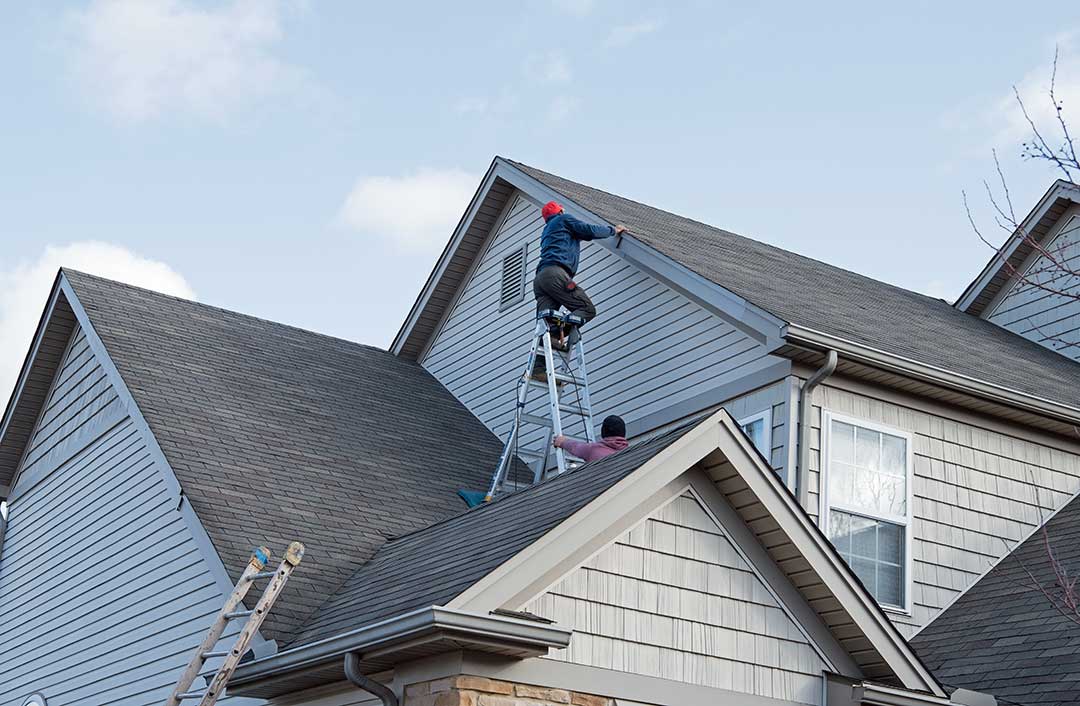
Discussing these local factors early in contractor conversations helps ensure the right approach for both repairs and replacements.
How Should Residents Compare Estimates?
It’s very common to request multiple estimates. Rather than focusing only on total price, compare:
- Scope of work: Are all recommended repairs or improvements clearly listed?
- Materials: Are brand and grade of shingles or other materials specified?
- Warranty: Does the estimate explain what is covered and for how long?
- Timeline: Is the expected project duration realistic for the season?
- Insurance coverage: Has the contractor confirmed full liability and worker’s compensation protections?
Cheaper up-front prices sometimes mean shortcuts on underlayment or ventilation, which can cause problems in Wayland’s variable climate.
Common Misconceptions or Mistakes
Some area homeowners believe all contractors are alike or that insurance is optional for small projects—both can be costly errors. Others may assume roofing work is rarely inspected; in fact, some repairs trigger mandatory city inspections to ensure safety.
Another frequent misconception: that late autumn or mid-winter is always a poor time for roof work. Skilled crews with local experience can complete repairs safely even in colder months, if weather allows.
What Questions Can Residents Ask to Find the Right Fit?
A few thoughtful questions can quickly reveal a contractor’s professionalism and suitability for local needs:
- How many projects have you completed in or near the city?
- What aspects of our home’s roof design do you consider most important for long-term durability?
- How do you handle weather delays or protect unfinished work from rain or snow?
- Can you explain your process for clean-up and property protection?
- What steps do you take to minimize disruption in residential neighborhoods?
The right contractor is happy to provide clear, local references and explain how their approach fits the city’s climate and housing styles.
